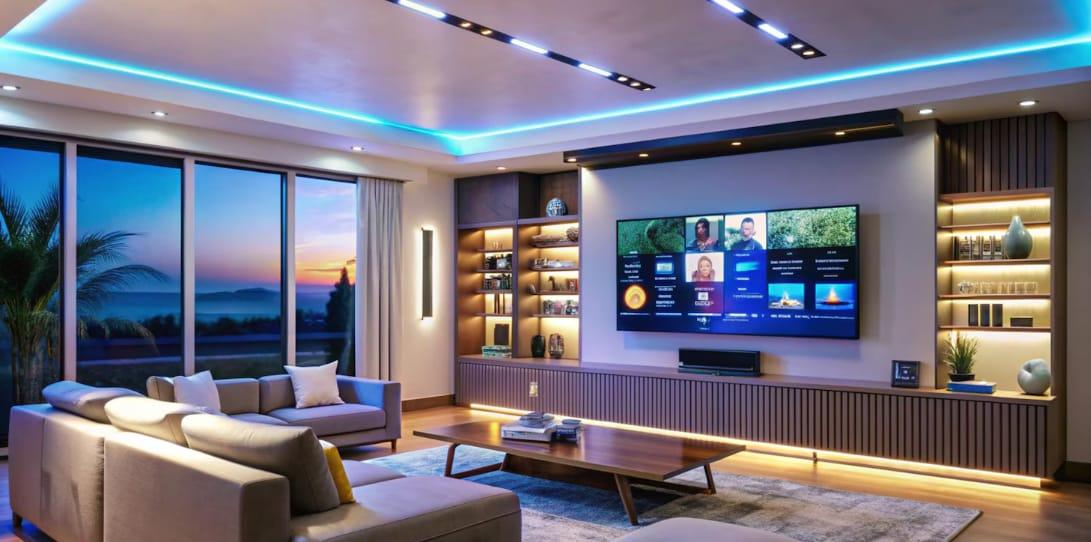
Understanding the Growing Demand for LED Strip Lighting
A narrow line of light can change how a room, storefront, or outdoor feature is experienced. LED strip lighting has become popular because it combines flexible installation with efficient illumination and a wide range of colour options. Yet a successful project depends on more than brightness or appearance. Buyers need to consider the installation environment, voltage, protection rating, colour quality, control method, and long-term maintenance. This article explains the main decisions involved in selecting LED strip lights, with particular attention to dependable products for residential, commercial, and architectural applications today.
Identifying the Right Lighting Application
The first step is to define the purpose of the lighting. Accent lighting highlights shelves, coves, counters, signage, and architectural details, while task lighting supports activities that require clearer visibility. Outdoor installations may illuminate pathways, façades, landscape features, or building outlines. Each application has different requirements for brightness, colour temperature, beam direction, and protection against moisture. Measuring the installation area before purchasing helps estimate the required strip length and power supply capacity. It also reduces unnecessary joints, voltage drop, and avoidable material waste during fitting in the early planning stage.
Why Waterproof Protection Matters
Environmental conditions should guide the choice of strip construction. Indoor locations that remain dry may use products with limited protective coating, whereas kitchens, bathrooms, covered patios, and exposed outdoor areas need suitable moisture protection. Buyers comparing Waterproof LED strip lights wholesale options should check the IP rating rather than relying on the word waterproof alone. An IP rating describes resistance to dust and water under defined test conditions; it does not mean every product can be submerged. Connectors, end caps, and installation channels must also preserve the intended protection level.
Understanding Voltage and Electrical Requirements
Voltage and electrical planning are equally important. LED strips commonly operate at low direct-current voltages, so a compatible power supply is essential. The supply should match the strip voltage and provide enough wattage for the full installed length, with enough capacity allowance. For example, a product specification may state 5050 RGBW LED Strip Input Voltage: 24V DC. This detail identifies the required operating voltage, but buyers should still review power consumption per metre, current, wiring distance, and controller compatibility before installation to ensure stable performance and applicable requirements.
Colour Options and Customisation Possibilities
Colour selection affects both atmosphere and practical visibility. Single-colour strips are chosen for consistent functional or decorative illumination, while RGB products create changing colours for displays and entertainment spaces. RGBW designs add a dedicated white-light channel, which can provide more useful white output than mixing red, green, and blue alone. Colour temperature, colour rendering, and brightness should be assessed against the intended setting. A Custom LED strip lights supplier may offer choices in LED density, colour configuration, strip width, cut length, adhesive backing, and connector style across projects.
Installation Quality and Heat Management
The physical layout also influences the final result. Higher LED density can create a smoother line of light, especially when strips are installed in shallow channels or visible locations. Aluminium profiles can help protect the strip, provide a clean finish, and assist with heat management. Before fitting, surfaces should be clean, dry, and suitable for the adhesive. Installers should follow the manufacturer’s bending limits and cutting marks, avoid sharp folds, and use correctly rated connectors. These precautions can reduce failures and make future servicing easier over time.
Factors to Consider When Purchasing LED Strips
For larger projects, consistency across batches and clear technical documentation become especially valuable. Buyers should request product specifications covering voltage, wattage, LED type, colour options, IP rating, dimensions, and operating temperature. They should also confirm warranty terms, expected lead times, packaging, and available support. When evaluating Waterproof LED strip lights wholesale purchasing, compare the complete specification and intended application rather than price alone. A lower initial cost may not represent better value if the product lacks suitable protection, stable colour output, or dependable electrical performance and documented testing.
Conclusion
Reliable sourcing can simplify specification and procurement, particularly when a project needs tailored lengths or specialised colour effects. A Custom LED strip lights supplier should be able to explain available configurations and identify which options suit the installation conditions. The information presented on dekingled.com can help buyers explore LED strip lighting choices and consider the technical details that matter before placing an order. Careful comparison of specifications, installation requirements, and support helps reduce uncertainty. Ultimately, selecting the right strip is a practical balance between performance, safety, appearance, and long-term value.
Leave a Reply