NAS Storage: Your Cloud Alternative With 2FA Security
In 2023, a major cloud storage provider suffered a devastating breach, exposing millions of users' personal files and sensitive data to hackers. While cloud storage offers convenience, it comes with inherent risks of data breaches, service outages, and privacy concerns. This is where Network Attached Storage (NAS) emerges as a compelling alternative. NAS systems are dedicated storage devices that connect to your local network, putting you in complete control of your data. Unlike cloud storage, NAS offers unprecedented customization options, robust security features, and the peace of mind that comes with knowing exactly where your data resides. Among its powerful security features, Two-Factor Authentication (2FA) stands out as a critical defense mechanism, adding an extra layer of protection beyond traditional passwords. As we explore the world of NAS storage, you'll discover how this technology empowers you to build a secure, personalized cloud alternative that meets your specific needs.
What is NAS Storage? (The Core Concept)
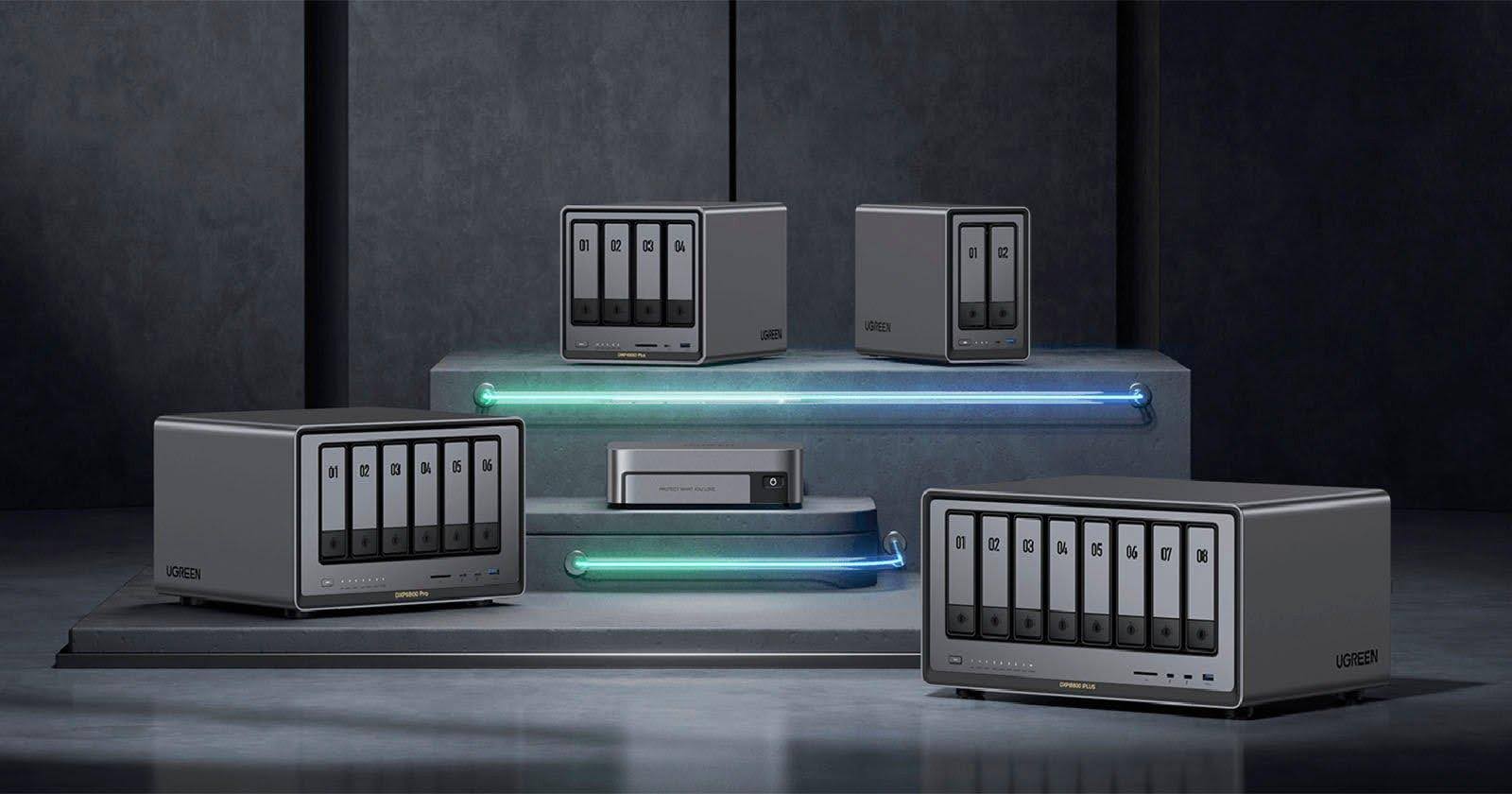
Network Attached Storage (NAS) represents a dedicated storage solution that connects directly to your home or office network, functioning as a centralized data hub. At its core, a NAS device consists of essential hardware components: multiple drive bays for storage expansion, a processor (CPU) to manage operations, RAM for system performance, and network ports for connectivity. Unlike simple external hard drives, NAS systems run sophisticated operating systems, enabling features like user management, data redundancy, and application hosting. The system architecture allows multiple devices - from laptops and smartphones to smart TVs - to simultaneously access stored data through a single network connection. This creates a personal data center where files, media, and backups are available to authorized users across your network. What truly sets NAS apart from cloud storage is the physical presence in your environment, giving you direct control over hardware upgrades, maintenance, and security protocols. This local control means your data stays within your network boundaries, eliminating dependencies on external service providers and their potential vulnerabilities. The system's versatility extends beyond simple storage, serving as a foundation for home media servers, surveillance systems, and private cloud services, all while maintaining complete user autonomy over data management and access controls.