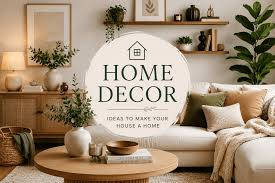
Designing a home is an opportunity to create a space that reflects your personality while supporting the way you live every day. A beautiful interior can certainly be inspiring, but the most successful homes also feel comfortable, organized, and practical. The right combination of colors, furniture, lighting, textures, storage, and personal details can turn an ordinary space into one that feels genuinely yours.
The HOMETOGEL home inspiration approach focuses on combining modern design with practical solutions. Instead of treating style and functionality as separate ideas, homeowners can bring them together to create rooms that look appealing while remaining easy to use.
Whether you are furnishing a new home, updating an existing interior, or simply searching for fresh ideas, the following principles can help you develop a space that matches your lifestyle.
Begin With a Clear Vision
Before choosing furniture or paint colors, think about how you want your home to feel. Words such as calm, welcoming, modern, natural, cozy, spacious, or energetic can help define the overall direction.
Creating a simple inspiration board can also be useful. Collect photographs, color combinations, furniture ideas, materials, and decorative details that appeal to you. Looking at these ideas together can reveal patterns in your preferences.
You do not need to copy one particular design style. Combining influences can make a home feel more personal and less like a showroom.
Choose a Flexible Color Foundation
Color has a major influence on the atmosphere of a room. A flexible base can make it easier to update your interior over time.
Neutral shades such as white, beige, gray, cream, and soft earthy tones can provide a versatile foundation. Accent colors can then be introduced through artwork, cushions, rugs, curtains, furniture, or decorative objects.
If you prefer stronger colors, consider using them selectively. A feature wall or colorful piece of furniture can become a focal point without requiring the entire room to follow the same bold palette.
The most important consideration is how different colors work together across adjoining spaces.
Make the Living Room Multifunctional
Modern homes often require rooms to serve multiple purposes. A living room might be used for relaxing, entertaining, reading, studying, or spending time with family.
Flexible furniture can make this easier. Lightweight chairs, movable side tables, modular seating, and storage ottomans can be rearranged when the room’s purpose changes.
Create a natural focal point, such as a television, fireplace, artwork, or attractive furniture arrangement. Then position seating so that the room remains comfortable for conversation and everyday activities.
Avoid filling every available space. Leaving some open areas can make the room feel more spacious and easier to navigate.
Create a Calm Bedroom
A bedroom should provide a comfortable environment for winding down. Start with practical basics such as a suitable bed, convenient storage, and appropriate lighting.
Layered lighting can make the room more adaptable. General lighting can illuminate the space, while bedside or accent lights can provide softer illumination when needed.
Textiles are another way to create comfort. Bedding, curtains, rugs, and cushions can introduce texture while helping establish the room’s overall character.
Keep decorative items intentional rather than allowing surfaces to become overcrowded. A few meaningful objects can have more impact than a large collection of unrelated accessories.
Bring Nature Into the Home
Natural elements can add warmth and visual interest to modern interiors. Plants are an obvious choice, but they are not the only option.
Wood, stone, woven fibers, ceramics, and other natural materials can introduce organic textures. Even small details, such as a wooden tray or woven basket, can make a room feel less sterile.
If you choose indoor plants, select varieties according to the actual lighting and conditions in each room. The best plant is one that can realistically thrive in its intended location.
Make Small Spaces Work Better
Limited space does not mean limited creativity. Small rooms can often benefit from furniture that serves multiple purposes.
A storage bench can provide both seating and organization. Wall-mounted shelves can use vertical space without consuming much floor area. A folding desk can create a temporary workspace when needed.
Mirrors can also influence how a small room feels by reflecting light and creating a greater sense of openness. However, the most important factor is maintaining clear pathways and avoiding unnecessary clutter.
Use Lighting as a Design Element
Lighting is both functional and decorative. A well-designed room usually benefits from more than one source of illumination.
Combine overhead lighting with floor lamps, table lamps, wall lights, or accent fixtures where appropriate. This allows different areas of a room to serve different purposes.
Natural light should also be considered. Keep windows as unobstructed as practical and choose window coverings that provide an appropriate balance of privacy and daylight.
Interesting light fixtures can become decorative features themselves, especially in dining areas, entryways, and living rooms.
Personalize Walls and Surfaces
Walls offer valuable opportunities to express your personality. Artwork, photography, mirrors, shelves, and decorative collections can all add character.
A gallery-style arrangement can combine different frames and images, while a single large artwork can provide a stronger focal point.
Shelves can also display books, plants, ceramics, travel souvenirs, and other meaningful objects. Arrange items at different heights to create visual variety while leaving enough empty space to prevent the display from feeling crowded.
Design Around Everyday Habits
A beautiful home should still work for everyday life. Think about where you naturally drop your keys, where you store shoes, how you use the kitchen, and where you prefer to relax.
If shoes accumulate near the entrance, create dedicated storage there. If cables regularly become messy around a desk, consider a better cable-management solution. If frequently used kitchen items are difficult to reach, reorganize the storage system.
Small improvements based on real habits can make a bigger difference than purely decorative changes.
Create Consistency Without Making Every Room Identical
A home can contain different styles in different rooms while still feeling cohesive. Repeating certain elements can create a visual connection.
For example, you might use similar wood tones throughout the home, repeat one or two accent colors, or choose related hardware finishes.
Consistency does not mean everything must match. Instead, it creates a subtle relationship between spaces while allowing each room to have its own personality.
Add Character Through Texture
Texture is particularly useful in modern interiors because it can add depth without relying on excessive decoration.
Combine smooth surfaces with softer or more tactile materials. A sleek table can work with a textured rug, while a simple sofa can be enhanced with woven cushions or a soft throw.
Curtains, rugs, baskets, upholstery, ceramics, and natural materials can all contribute to a richer visual experience.
Keep Organization Part of the Design
Storage does not need to be hidden to be attractive. Open shelving, baskets, cabinets, and decorative boxes can become part of the room’s visual composition.
The key is to organize intentionally. Group similar objects together and avoid overcrowding shelves and surfaces.
When storage is easy to access and logically placed, maintaining an organized home becomes much simpler.
Let Your Home Evolve
A home does not have to be completed in a single decorating project. In fact, allowing your interior to develop gradually can result in a more personal space.
Start with essential furniture and then add artwork, textiles, plants, and decorative objects over time. This gives you an opportunity to understand how each room works before making additional changes.
Your preferences may also change. A home that evolves with you can remain useful and interesting for years rather than being tied to a short-lived trend.
Final Thoughts
Creating the home you want is ultimately about finding the right balance between appearance, comfort, personality, and practicality. The HOMETOGEL-inspired approach encourages homeowners to think beyond individual décor trends and focus on how different elements work together.
Begin with a clear vision, establish a flexible color palette, choose furniture based on how rooms are actually used, and use lighting and texture to add depth. Introduce meaningful objects, natural materials, and practical storage solutions to make the space feel personal.
Most importantly, remember that there is no single definition of a perfect home. The best design is one that supports your everyday life while giving you a space where you feel comfortable and at home.
Leave a Reply