Football Betting Odds – Latest Markets & Match Analysis

Football Betting Odds 90phut TV – Latest Markets & Match Analysis helps readers understand what prices mean, which markets are available, and how to assess a match before placing a wager. Odds change as teams announce lineups, injuries emerge, and betting activity shifts. Because prices vary by bookmaker and location, this guide explains how to interpret current markets without presenting figures as live odds.
What Football Betting Odds Mean
Football betting odds show the potential return on a wager and reflect the bookmaker’s assessment of possible outcomes. They are not guarantees: even a short-priced favorite can lose, and a long-priced team can win. Comparing prices and understanding the market are essential to making an informed decision.
Reading Common Odds Formats
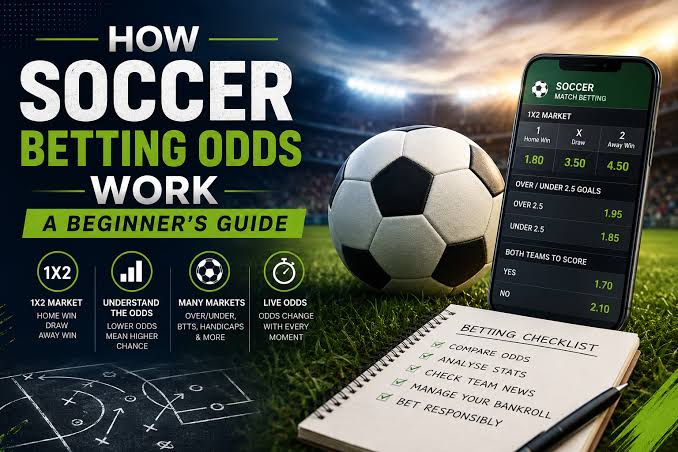
Decimal odds are widely used and show the total return for each unit staked, including the original stake. For example, decimal odds of 2.50 mean a 10-unit winning stake returns 25 units in total: 15 units in profit plus the 10-unit stake.
Fractional odds, such as 3/2, show profit relative to the stake. American odds use positive or negative numbers to indicate potential profit or the amount required to risk for a set return. Whichever format appears, check whether the quoted return includes your original stake.
Understanding Implied Probability
Odds can be converted into an implied probability. With decimal odds, divide 1 by the odds and multiply by 100. At 2.00, for example, the implied probability is 50%. This is a rough interpretation of the price, not a certainty or a prediction of the match result.
Bookmaker prices usually include a margin, sometimes called the overround. As a result, the implied probabilities across all outcomes in a market generally add up to more than 100%. Comparing several bookmakers can reveal price differences, but it does not remove the risks of betting.
Latest Football Betting Markets
Most bookmakers offer several markets for a match, from straightforward result bets to options involving goals, handicaps, and individual events. Availability, terminology, and prices can differ across operators. Always read the market rules, especially for bets that depend on extra time, abandoned matches, or specific player participation.
Match Result and Draw No Bet
The 1X2 market covers the home win, draw, and away win. It is easy to understand, but a draw can be a significant complication when betting on either team to win. Odds may be influenced by team strength, home advantage, recent performances, and the availability of key players.
Draw no bet removes the draw as a losing outcome: if the match ends level, the stake is typically returned, subject to the operator’s rules. Since this protection affects the price, its odds are usually less generous than a straight win price. Check settlement terms before placing a wager.
Goals, Both Teams to Score, and Handicaps
Over/under markets focus on the combined goals scored by both teams. A line such as over or under 2.5 goals requires the match total to finish on the relevant side of that threshold. Both teams to score is a separate question: it can win even in a low-scoring draw, while a high-scoring match involving only one team may not qualify.
Handicap markets adjust the teams’ starting positions for betting purposes. In an Asian handicap, some lines can split a stake between outcomes or return part of it, depending on the final score and the handicap. These markets can be useful for comparing teams expected to be unevenly matched, but their settlement rules deserve extra attention.
How to Analyze a Match Before Checking Odds
Odds are a starting point for analysis, not a substitute for it. A useful preview considers how the teams are likely to perform in the specific fixture, then compares that view with the market price. Keep analysis evidence-based: recent results alone can be misleading if opponents, injuries, or match conditions differ.
Evaluate Form, Lineups, and Match Context
Review recent performances alongside longer-term indicators such as goals scored and conceded, chances created, and defensive consistency. Consider whether the team’s results came against comparable opposition. Home advantage, travel, rest days, fixture congestion, weather, and the competition’s importance can all shape a match.
Team news is particularly important. An absent goalkeeper, central defender, playmaker, or leading scorer may affect a side more than a routine lineup change. Confirm starting lineups when possible, and account for uncertainty before kickoff. If crucial information is unavailable, avoid treating an early price as a settled assessment.
Compare the Market With Your Assessment
First, identify the market that matches your question: who wins, how many goals are scored, or whether both teams score. Then compare prices across reputable, locally licensed operators, checking that the selections and settlement rules are identical. A better price can improve the potential return, but it does not make an uncertain outcome safe.
Pay attention to price movement without assuming that every change signals reliable new information. Odds may move because of team news, market demand, or bookmakers adjusting their exposure. Record your reasoning before betting and avoid changing your view simply because a price has shortened or lengthened.
Reading Odds Movement and Betting Responsibly
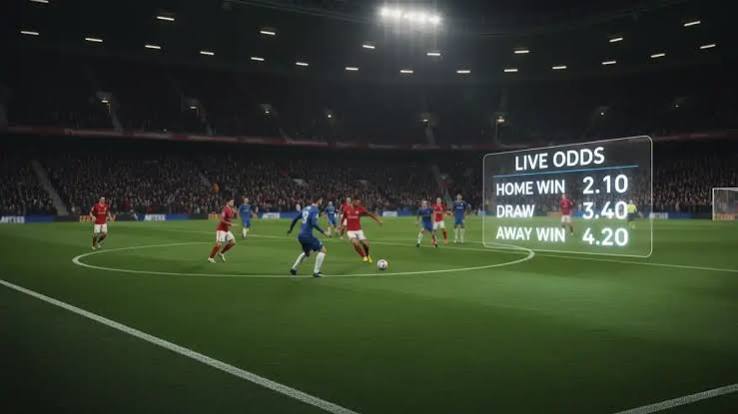
“Latest” odds are time-sensitive and can change between publication, lineup announcements, and kickoff. A match preview should therefore be checked against the current prices available to the reader. If a site does not provide a live odds feed, treat its listed figures as examples rather than current offers.
Why Prices Change
Prices can shift after confirmed injuries, suspensions, starting lineups, or tactical news. They can also move as bettors place money on different outcomes or as bookmakers update their models. Movement alone does not establish that one outcome is more likely; it shows that the market price has changed.
When assessing a change, ask what information may have caused it and whether the market has already adjusted. Compare prices at the same point in time, since an apparently favorable quote may simply be an outdated price or a different market with different terms.
Set Limits and Know the Risks
Football betting involves a real risk of financial loss. Set a budget in advance, wager only money you can afford to lose, and do not chase losses or borrow to bet. No team trend, statistical model, or odds comparison can guarantee a winning result.
Use licensed operators where legal, and take breaks or use available deposit and time limits if betting stops feeling manageable. If gambling is causing stress or financial difficulty, seek confidential support from a recognized service in your region.
Conclusion
Football Tỷ lệ kèo betting odds express market prices for outcomes, while match analysis helps explain the factors that might affect those outcomes. Understand the odds format, compare relevant markets and settlement rules, review team news and match context, and verify prices close to kickoff because they change. Treat any assessment as uncertain, use a fixed budget, and prioritize responsible betting over chasing a result.